- Fed by springs
- Cool and steady
- Check, clean, dry
- Rare rivers, simple care
RARE
Mostly in England
WWF says there are only about 200 chalk streams in the world, most of them in the southern half of England, with a few in France.
See the numbers doodlestream
Updated
WHAT THE REPORTS SAY
Some of England's quietest rivers are among the rarest on Earth.
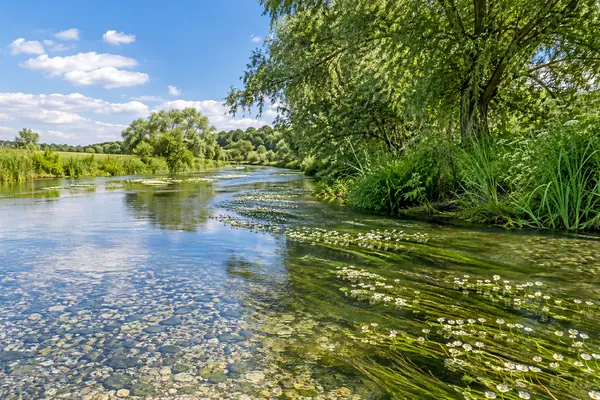
Chalk streams rise from springs in porous chalk rock. The water comes out filtered, mineral-rich and cool, flowing steadily over clean gravel, and most of the world's chalk streams are found in England.
ABOUT 200 in the whole world
Check their health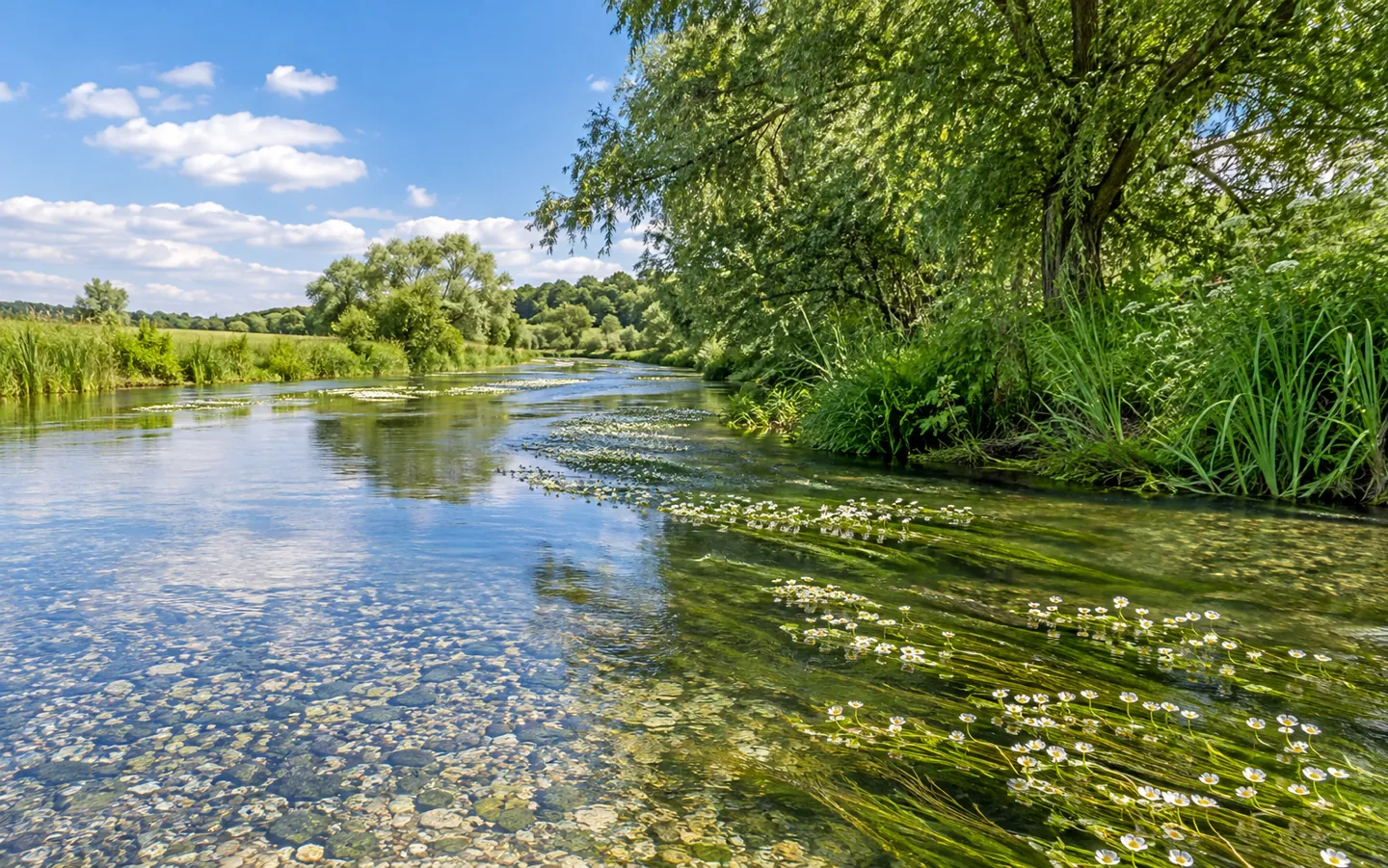
THE SHORT ANSWER
Chalk streams depend on the aquifer beneath them.
What goes into the ground can stay there for decades.
RARE
WWF says there are only about 200 chalk streams in the world, most of them in the southern half of England, with a few in France.
See the numbersWILDLIFE
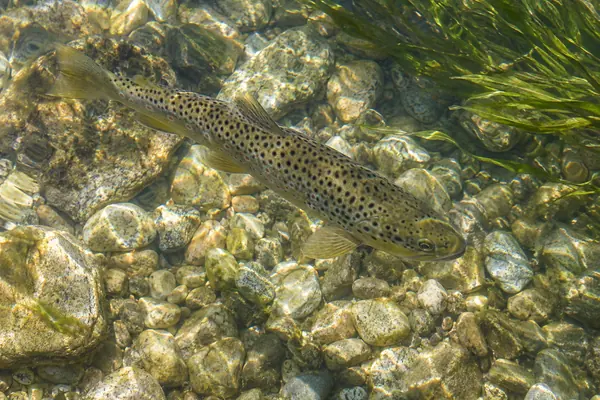
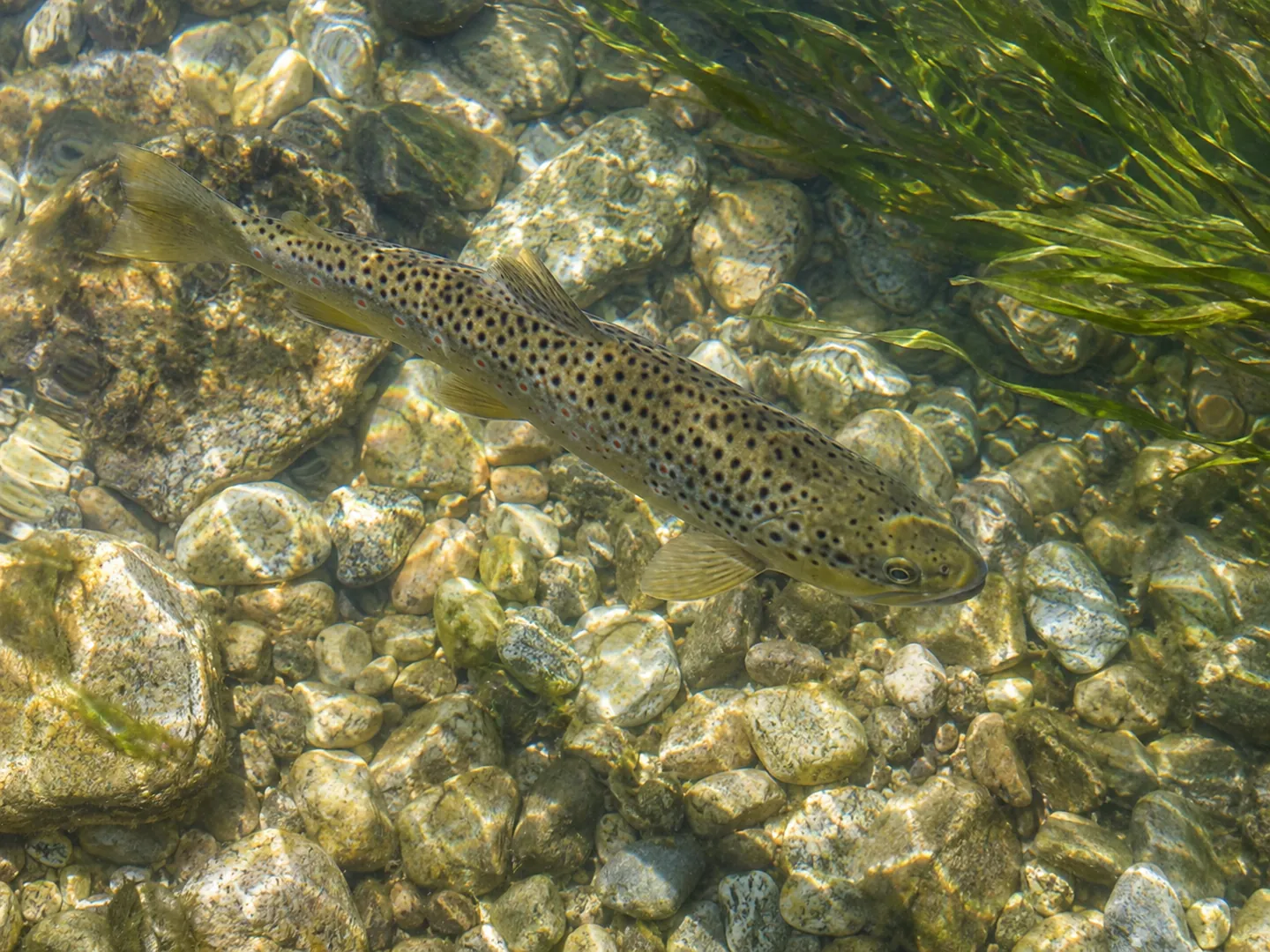
A healthy chalk stream can house brown trout, water voles, kingfishers, damselflies and white-clawed crayfish, says the Hampshire and Isle of Wight Wildlife Trust.
Why the water is specialVISITING
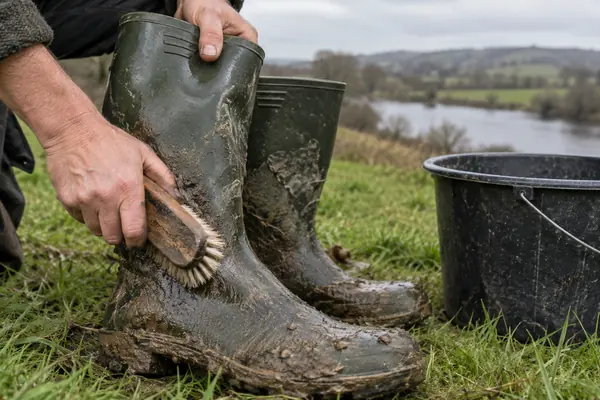
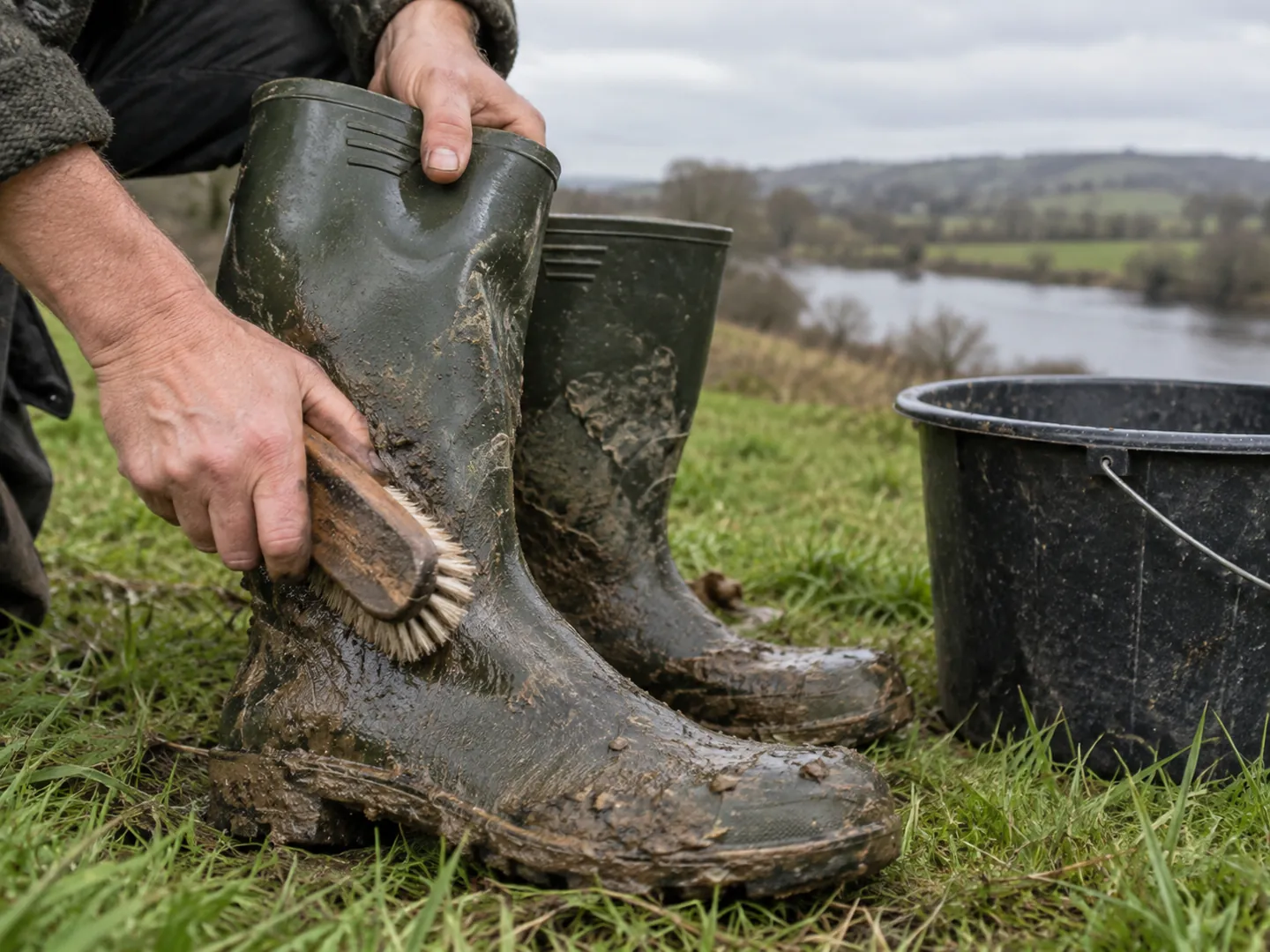
Diseases can survive on wet boots and nets for days or even weeks. The Trust asks river users to check, clean, disinfect and dry their kit between sites.
The four stepsA QUICK HEALTH CHECK
Pick an ecological status to see what share of England's chalk streams reached it in the Environment Agency's 2013 classification, as reported by WWF. The bar shows the share.
From WWF-UK, The State of England's Chalk Streams (2015), using the Environment Agency's 2013 Water Framework Directive classification. Newer assessments may differ.
TWO NUMBERS WORTH KNOWING
One figure on how rare they are,
one on how many were struggling.
85%
Share of the world's chalk streams in England
The Hampshire and Isle of Wight Wildlife Trust says England has 85% of the world's 200 chalk streams, many of them in Hampshire.
RARITY · HIWWT
77%
Chalk streams failing Good status
WWF's 2015 report found more than three-quarters of chalk streams failing to meet Good status, and only 12 of England's 224 chalk streams protected as designated sites.
HEALTH · WWF
WWF also reported that the chalk aquifer makes up 70% of the public drinking water supply in south-east England.
CHECK, CLEAN, DISINFECT, DRY
The Hampshire and Isle of Wight Wildlife Trust asks anyone using rivers to follow four steps to stop invasive species and diseases, such as crayfish plague, spreading between sites.
Before leaving a site, look for small animals or plant fragments on your kit and remove them.
Clean mud, dirt and stones from your boots, before leaving the site where possible and always well away from a new watercourse.
If you can, soak equipment in disinfectant or water above 45°C for 15 minutes or more.
Drying equipment completely in direct sunlight for 24 to 48 hours kills waterborne organisms and diseases.
WHY THE WATER IS SPECIAL
Chalk is riddled with tiny holes, making it an excellent aquifer. When it can hold no more, water bursts out as springs, filtered and mineral-rich. The Trust says Hampshire's chalk streams emerge at around 11°C in all seasons, so they hold a lot of dissolved oxygen.
The same geology has a downside: water can take decades to travel through the aquifer, giving the landscape a long memory for pollutants. Some headwater streams flow only occasionally and turn into grassy hollows for weeks or months.
Questions
What is a chalk stream?
WWF's report defines it broadly as a stream that gets most of its flow from chalk-fed groundwater, with alkaline, crystal-clear water flowing steadily over clean gravel beds.
How many chalk streams are there?
WWF says there are only about 200 in the world, most in the southern half of England. Its 2015 report identified 224 chalk streams in England using a revised index.
Why is the water so clear?
It emerges from springs after filtering through porous chalk, mineral-rich and at a steady cool temperature. Hampshire's chalk streams emerge at around 11°C in all seasons.
What lives in chalk streams?
A healthy chalk stream can house brown trout, water voles, kingfishers, damselflies and white-clawed crayfish, the UK's only native crayfish, which is internationally endangered.
How can visitors help?
Follow check, clean, disinfect and dry. The Trust says diseases can stay alive on wet equipment for days or even weeks, so drying kit fully between sites matters.
ABOUT THIS NAME
doodlestream.com is part of the DoodleSale portfolio. Check the current listing and available purchase or lease options.